
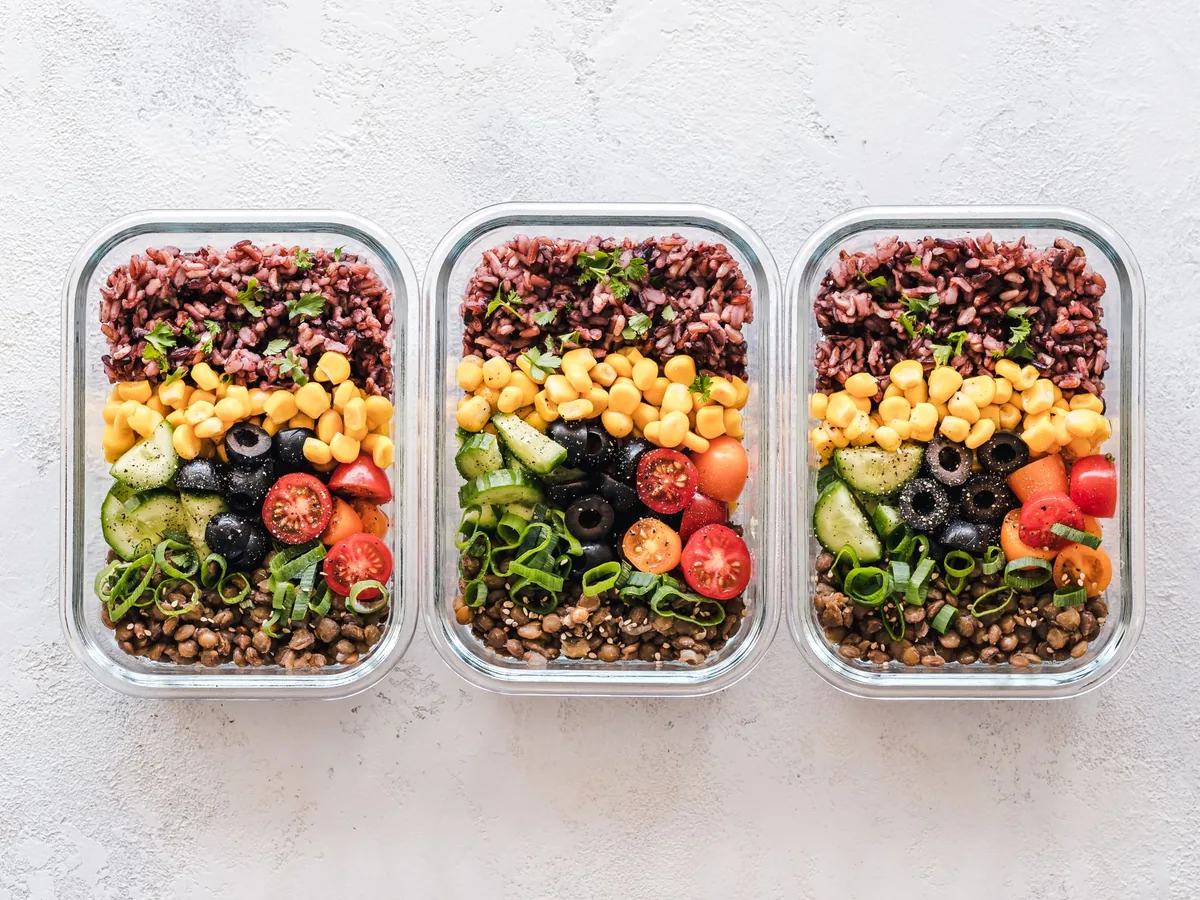
A well-stocked freezer is the closest thing a busy household has to a personal chef. Double a pot of soup, stash half away, and three weeks later you’ve got dinner with zero effort — still delicious, still wholesome, and far better than takeout. But freezing done carelessly gives you freezer-burned blocks and mushy reheats, which is why so many people give up on it. The difference between a freezer full of treasure and a freezer full of regret comes down to a handful of straightforward techniques.
What Freezes Well (and What Doesn’t)
Not every dish survives the deep freeze gracefully. Understanding which do saves you disappointment.
Freezes beautifully: soups, stews, chili, curries, braised meats, pulled pork, meatballs, lasagna, cooked grains and beans, casseroles, and most pasta sauces.
Freezes with caveats: cooked pasta (slightly undercook it, since it softens on reheating), rice (spread on a tray to cool first), dairy-heavy sauces (may separate — stir well on reheating or add cream after thawing), and fried foods (lose their crunch).
Doesn’t freeze well: raw salads and fresh greens, whole raw potatoes (turn grainy — mashed or in stews they’re fine), hard-boiled eggs (rubbery), mayonnaise-based salads, and delicate creamy sauces.
When in doubt, freeze a single test portion before committing a whole batch.
Choosing Your Freezer Containers
Your container choice affects everything: how fast food freezes, how much freezer burn you get, and how much space it takes.
- Rigid freezer-safe containers (glass with locking lids or BPA-free plastic) are the workhorses for soups, stews, and portioned meals. Stackable, reusable, and easy to label.
- Freezer bags are unbeatable for space: fill, press out the air, and freeze flat. Flat bags stack like files and thaw much faster than blocks.
- Silicone muffin trays and ice cube trays freeze sauces, stocks, and pesto in single-serving portions — pop out, bag, and grab what you need.
- Foil and freezer wrap work for sturdy items like burritos, enchiladas, or cooked meatloaves: wrap tightly, then add an outer layer of foil.
Whatever you use, leave about an inch of headspace for liquids — food expands as it freezes, and a popped lid or split bag is a mess you only want to clean once.
Container Comparison
| Container Type | Best For | Airtightness | Space Efficiency | Reusable |
|---|---|---|---|---|
| Rigid glass with locking lid | Soups, portioned meals | Excellent | Moderate | Yes |
| Rigid plastic freezer container | Casseroles, batch meals | Good | Moderate | Yes |
| Zip-top freezer bags | Soups, sauces, marinated proteins | Good (if air pressed out) | Excellent (freeze flat) | Sometimes |
| Silicone trays + bags | Sauces, stocks, single portions | Good once bagged | Excellent | Yes |
| Foil + freezer wrap | Burritos, meatloaf, baked items | Fair | Good | No |
The Proper Freezing Method, Step by Step
- Cool it quickly. Never put steaming-hot food in the freezer — it raises the freezer’s temperature and partially thaws nearby food. Cool food to room temperature within two hours: divide large pots into shallow containers, spread food on sheet pans, or set the pot in an ice bath and stir.
- Portion sensibly. Freeze in the amounts you’ll actually reheat — individual servings, family-size portions, or recipe-ready amounts. Label each container with the contents and the date before it goes in.
- Remove as much air as possible. Air is the enemy: it causes freezer burn (dehydrated, off-tasting patches). Press bags flat and squeeze out air, or use containers with minimal headspace.
- Freeze fast and keep it cold. A freezer at 0°F (-18°C) or below keeps food safe indefinitely; quality is best within 2–3 months for most meals. Avoid cramming too much unfrozen food in at once, which slows the freeze.
- Label everything. Frozen food all looks the same after a month. Name, date, and reheating notes on masking tape or a freezer label take ten seconds and save you guessing later.
Thawing Safely
How you thaw matters as much as how you freeze. Safe methods:
- In the fridge — the gold standard. Move the container to the fridge the night before; most portions thaw in 8–24 hours.
- In cold water — for faster thawing. Submerge the sealed bag or container in cold water, changing the water every 30 minutes.
- In the microwave — fine for small portions you’ll cook or eat immediately.
- Straight into the pot — frozen soups and stews can go directly into a pot over medium-low heat; just stir as it loosens.
Never thaw food on the counter at room temperature — the outer layers enter the bacterial danger zone while the center is still frozen. And never refreeze food that was thawed at room temperature or left out for more than two hours.
Pros and Cons of Freezer Meal Prep
Pros: saves money and weeknight effort; reduces food waste by capturing leftovers at their peak; lets you batch-cook when you have time; gives you homemade food on nights you’d otherwise order in.
Cons: requires freezer space and a labeling habit; some textures (crispy coatings, delicate dairy sauces) don’t survive; reheating takes planning ahead (thaw the night before).
Care and Maintenance of Your Freezer System
A freezer meal habit only works if the freezer itself cooperates. Keep it at 0°F (-18°C) or below — check with an inexpensive freezer thermometer, since built-in dials can drift. Don’t overload it; air needs to circulate for even freezing. Every few months, do a quick inventory sweep and plan meals around the oldest items first. If your freezer develops a thick layer of frost, defrost it — frost insulates food and makes the appliance work harder.
Safety Considerations
Food safety rules for freezing are simple but non-negotiable. Keep your freezer at 0°F (-18°C) or below — at that temperature, food stays safe indefinitely (quality, not safety, is what declines over months). Cool cooked food and get it into the freezer within two hours of cooking. Freezer burn is a quality issue, not a safety one — burned patches taste bad but aren’t dangerous; you can trim them off. Discard anything that thawed during a power outage and sat above 40°F (4°C) for more than two hours. When reheating, bring soups, stews, and sauces to a full boil and heat other dishes until steaming throughout.
Common Mistakes
- Freezing food while it’s still hot. This spikes the freezer temperature and compromises everything inside.
- Leaving too much air in bags. Freezer burn follows air. Press it out or use a straw to draw it out before sealing.
- No labels. Mystery containers get thrown away. Always date and name them.
- Freezing in giant blocks. A two-quart block of soup takes forever to thaw; portioned servings reheat fast and evenly.
- Refreezing thawed leftovers casually. Once thawed in the fridge, cook and eat within 1–2 days — don’t return it to the freezer uncooked.
FAQ
How long can homemade meals stay in the freezer?
At 0°F (-18°C) or below they’re safe indefinitely, but quality is best within 2–3 months for most cooked meals and up to 6 months for soups and stews.
Is freezer burn dangerous?
No — freezer burn is dehydration from air exposure, a quality problem, not a safety one. Trim off the affected patches; the rest is fine to eat.
Can I freeze meals in glass containers?
Yes, as long as they’re labeled freezer-safe. Leave about an inch of headspace for expansion and let the container cool fully before freezing to reduce thermal shock.
Do I need to thaw before reheating?
Not always — soups, stews, and sauces reheat well straight from frozen in a pot. Dense items like casseroles and large meat portions reheat more evenly after thawing overnight in the fridge.
Why does my frozen food taste bland?
Cold dulls flavor perception slightly. Season a touch more boldly before freezing, and taste and adjust seasoning again when reheating.
Can I freeze rice and pasta?
Yes. Cool rice quickly and freeze in portions — it reheats well with a sprinkle of water. Undercook pasta by a minute or two before freezing so it finishes in the sauce.
Conclusion
Freezing homemade meals properly isn’t complicated — cool quickly, portion smartly, remove the air, label everything, and keep the freezer at 0°F (-18°C) or below. Do that consistently and your freezer becomes a library of future dinners rather than a graveyard of good intentions.
Start with dishes that freeze beautifully: a big batch of homemade vegetable soup or chicken noodle soup portioned into flat freezer bags, or build your weekly rotation around a chicken meal prep or vegetarian meal prep session with extra portions destined for the freezer. Future you, walking in the door on a hectic evening, will be very glad past you planned ahead.