
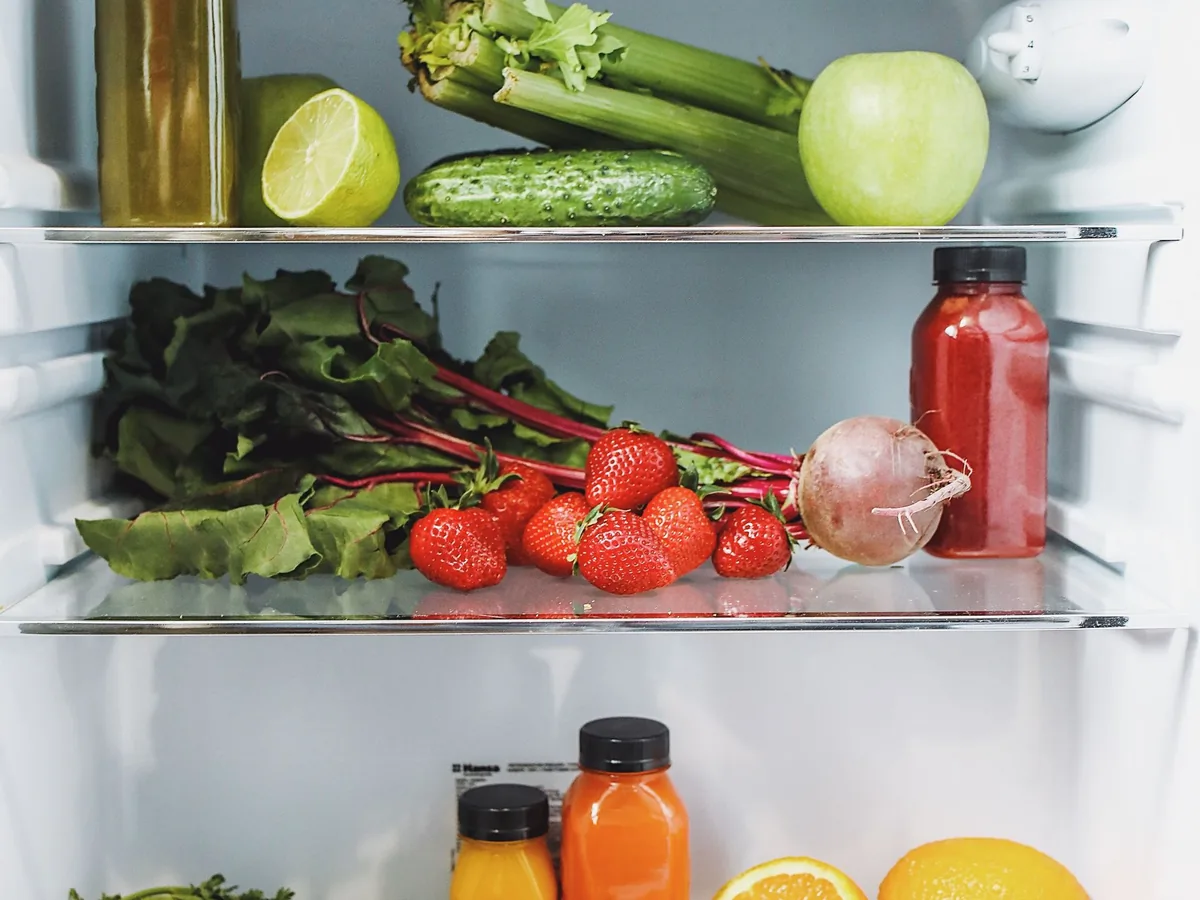
Few things are more deflating than opening the crisper drawer to find the carrots you bought four days ago gone limp, or a bag of spinach reduced to dark mush. Vegetables are living tissue even after harvest — they respire, lose moisture, and react to gases around them. But with a few deliberate habits, most vegetables last noticeably longer than the week most of us get out of them. This guide covers the principles, the fridge setup, and a vegetable-by-vegetable rundown.
The Three Enemies of Fresh Vegetables
Almost all spoilage comes down to three things. Beat them and your vegetables buy you extra days — sometimes an extra week.
- Moisture loss. Vegetables are mostly water. Once harvested, they keep losing it to dry fridge air, which is why carrots go limp and peppers wrinkle. Humidity control is the main defense.
- Ethylene gas. Many fruits (apples, bananas, avocados, tomatoes, stone fruit) release ethylene, a natural ripening gas that speeds decay in ethylene-sensitive vegetables like leafy greens, broccoli, carrots, and peppers. Keep them apart.
- Cold damage. Not everything belongs in the fridge. Tomatoes lose flavor and texture in cold; potatoes turn sweet and gritty; onions and garlic go soft and sprouty. Cold is a tool, not a cure-all.
Set Up Your Fridge Right
Your crisper drawers aren’t decorative — use them. Most have a humidity slider or vent. The high-humidity drawer (vents closed) suits vegetables that wilt: leafy greens, broccoli, cauliflower, carrots, peppers, and cucumbers. The low-humidity drawer (vents open) suits things that rot in moisture: mushrooms, and fruits that produce ethylene.
Beyond the drawers: store vegetables away from the fridge’s coldest spots (usually the back wall) where delicate items can freeze and turn to mush on thawing. Keep the fridge at 35–38°F (2–3°C) — cold enough to slow spoilage, warm enough to avoid freeze damage. And don’t overstuff; air circulation keeps temperatures even.
Vegetable-by-Vegetable Storage Guide
| Vegetable | Where | How | Typical Life |
|---|---|---|---|
| Leafy greens (spinach, lettuce, kale) | High-humidity drawer | Washed, spun dry, layered with paper towels in a container or bag | 7–10 days |
| Carrots | High-humidity drawer | Unpeeled, in a bag or container; trim green tops | 2–3 weeks |
| Broccoli & cauliflower | High-humidity drawer | Unwashed in a loosely closed bag; wash before use | 5–7 days |
| Peppers | High-humidity drawer | Unwashed, whole, in a bag or drawer | 1–2 weeks |
| Cucumbers | High-humidity drawer | Wrapped in a dry towel inside a bag; away from ethylene | 5–7 days |
| Celery | High-humidity drawer | Wrapped tightly in foil | 2 weeks |
| Zucchini & summer squash | High-humidity drawer | Unwashed in a bag | 5–7 days |
| Mushrooms | Low-humidity drawer | In a paper bag (never sealed plastic) | 4–7 days |
| Green beans | High-humidity drawer | Unwashed in a breathable bag | 5–7 days |
| Tomatoes | Countertop | Stem-side down, out of sun, away from other produce | 3–5 days ripe |
| Potatoes | Cool, dark pantry | In a breathable bag or basket, away from onions | 2–3 weeks |
| Onions & garlic | Cool, dark pantry | Ventilated, away from potatoes | 3–4 weeks |
| Fresh herbs | Fridge (see method) | Soft herbs in water jar; hardy in damp towel + bag | 7–14 days |
Selection Criteria: Buying for Longevity
Storage can’t fix vegetables that were old at purchase. Choose firm, heavy-for-their-size specimens with bright color and no soft spots, bruises, or sliminess. Leafy greens should be crisp and perky, not wilted; root vegetables should feel solid, not bendy. Buy quantities you can realistically use within the storage windows above — the best storage method in the world can’t make two weeks of spinach survive three.
Pros and Cons of the Main Approaches
Proper crisper use and humidity control: Pros — zero extra cost, extends almost everything by days. Cons — requires knowing which drawer setting each vegetable wants.
Paper towel layering for greens: Pros — absorbs the moisture that causes slime; dramatically extends leafy greens. Cons — a small ongoing supply of towels and a minute of prep.
Countertop storage for tomatoes, potatoes, onions: Pros — preserves flavor and texture that refrigeration damages. Cons — shorter window than fridge storage for some items; needs a cool, dark spot.
Refrigerating everything by default: Pros — simple. Cons — ruins tomatoes, sweetens potatoes, and sprouts onions. One habit that actively hurts.
Use Cases
- Weekly grocery shopper: sort produce the day you buy it — fridge vegetables into the right drawers, countertop items into the pantry. Ten minutes saves a midweek shop.
- Meal prepper: wash and prep sturdy vegetables (carrots, peppers, celery) right away into containers; leave delicate greens whole until the day you use them.
- Small fridge: prioritize — greens, herbs, and mushrooms get the drawer space; sturdy items like carrots and beets tolerate the main shelves in bags.
- Cutting food waste: a weekly “use first” box in the fridge for the oldest items turns almost-gone vegetables into tonight’s stir-fry or soup.
Care and Maintenance of Your Produce Setup
Check stored vegetables every few days and remove anything going soft — decay spreads. Replace damp paper towels in greens containers when they get soggy. Wipe out crisper drawers periodically; spilled vegetable juices breed bacteria and odors. Keep ethylene producers (apples, bananas, pears, avocados, ripe tomatoes) physically separated from sensitive vegetables — even a different shelf helps, and separate drawers are better.
Safety Considerations
Wash vegetables just before eating or cooking, not before storing — stored moisture accelerates rot. When in doubt, the sniff-and-look test applies: slimy, foul-smelling, or moldy vegetables should be discarded (cutting off a moldy spot works for hard vegetables like carrots, but soft or leafy items should be thrown out). Keep cut vegetables refrigerated and use them within a few days. And remember that once vegetables go into a cooked dish, leftovers need refrigerating within two hours.
Common Mistakes
- Washing everything before storing. Greens are the partial exception (wash and spin thoroughly dry); for most vegetables, wash at use time.
- Storing fruits and vegetables together. Ethylene from apples and bananas will age your greens and carrots prematurely.
- Sealing mushrooms in plastic. They need to breathe — a paper bag is the classic fix for slimy mushrooms.
- Refrigerating tomatoes, potatoes, and onions. Cold ruins tomato texture and flavor, makes potatoes sweet and gritty when cooked, and turns onions soft.
- Ignoring the humidity slider. Vents closed for wilting vegetables, vents open for things that rot in moisture — it’s a two-second adjustment that pays off all week.
FAQ
Why do my leafy greens get slimy so fast?
Excess surface moisture plus trapped air. Wash, spin or pat them very dry, layer with paper towels in a container, and refrigerate in the high-humidity drawer.
Should I keep vegetables in plastic bags?
Mostly yes — perforated or loosely closed bags retain humidity while letting ethylene escape. Exceptions: mushrooms (paper bag) and anything already in good clamshell packaging.
How can I tell if a vegetable is still good?
Firm, good-smelling, and normal-colored means usable — even slightly limp carrots or wrinkled peppers are fine cooked. Slimy texture, sour or off smells, and mold on soft vegetables mean discard.
Do I need special produce-storage containers?
No. The methods in this guide work with ordinary bags, containers, towels, and foil. Ventilated containers are a nice convenience, not a requirement.
What’s the ideal fridge temperature for vegetables?
35–38°F (2–3°C). Colder risks freeze damage on delicate items; warmer shortens everything’s life.
Can I store cut vegetables for meal prep?
Yes — cut carrots, celery, peppers, and similar sturdy vegetables keep 4–5 days refrigerated in sealed containers, ideally with a damp paper towel. Delicate greens are best kept whole until use.
Conclusion
Keeping vegetables fresh longer isn’t about gadgets — it’s about humidity where it’s wanted, ethylene kept away, and the right home for each vegetable: fridge drawers for most, countertop for tomatoes, and a cool dark pantry for potatoes and onions. Sort your produce on shopping day and you’ll throw away far less by week’s end.
Put your crisp, well-kept vegetables to use in a hearty quinoa and vegetable bowl, a colorful roasted vegetable bowl, or vegetarian stuffed peppers — recipes that taste best when the vegetables going in are at their freshest.