
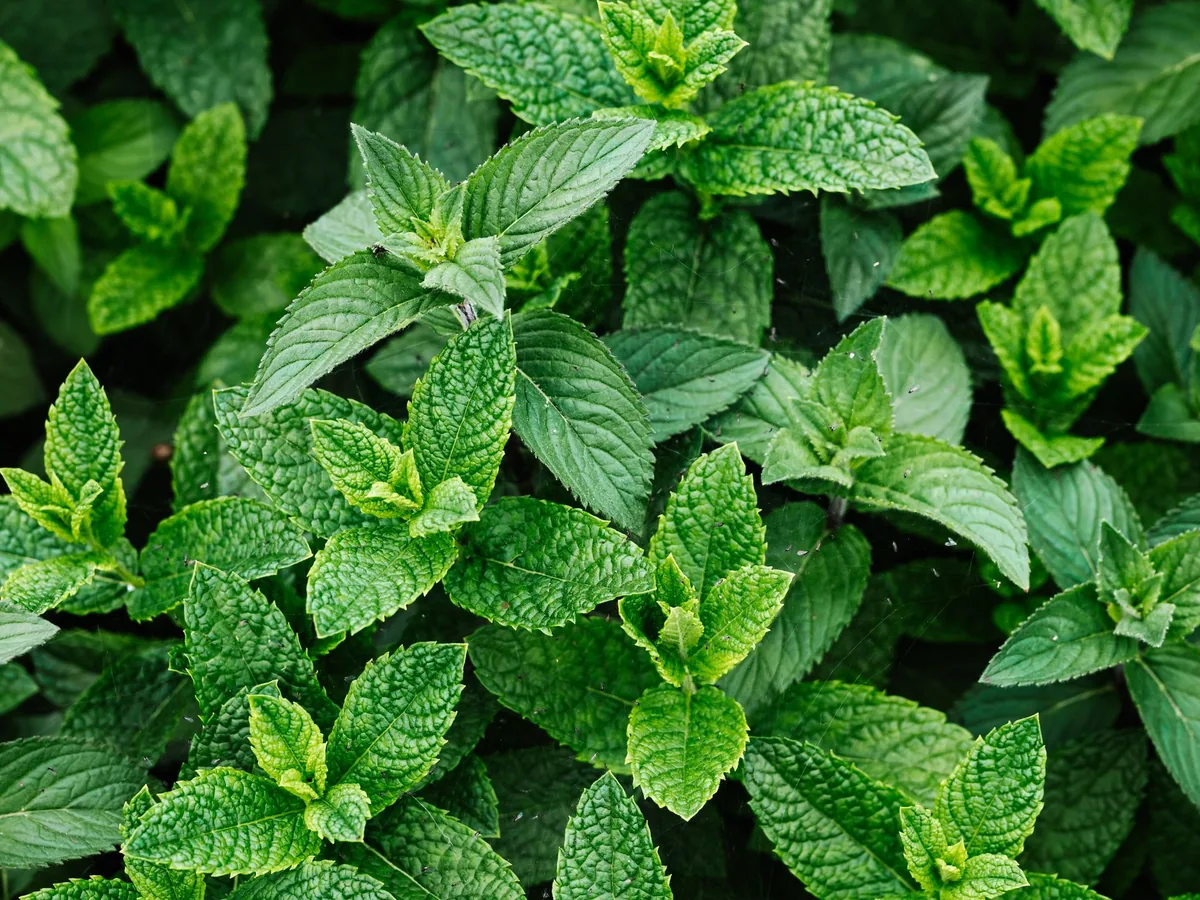
You buy a lush bunch of basil for tonight’s dinner, use a handful, and by Thursday the rest is a slimy black tangle in the crisper drawer. Sound familiar? Fresh herbs are one of the priciest things in the produce aisle per ounce, and they’re also among the fastest to wilt. The good news: keeping them fresh for a week — sometimes two — has almost nothing to do with luck and everything to do with a few simple habits.
Herbs go limp and brown for predictable reasons: moisture loss, trapped ethylene gas, bacteria on cut stems, and cold damage. Each storage method below fights those enemies differently. Once you understand what kind of herb you’re dealing with, picking the right method becomes second nature.
Know Your Herbs: Soft vs. Hardy
The single most useful thing you can learn is which camp your herbs fall into, because they want opposite treatment.
Soft, tender herbs have delicate leaves and flexible stems: basil, cilantro (coriander), parsley, mint, dill, tarragon, and chives. They bruise easily, dry out fast, and some of them — basil especially — turn black at the first hint of cold damage.
Hardy, woody herbs have sturdy stems and tougher leaves: rosemary, thyme, oregano, sage, and marjoram. They’re built to survive drier conditions and shrug off cold that would destroy basil. Store these wrong and they’ll simply dry out and go brittle rather than turning to slime.
This distinction drives everything below. When in doubt, check the stem: bendy and green means soft-herb treatment; stiff and woody means hardy-herb treatment.
Choosing Herbs That Will Actually Last
Storage starts in the store. Even the perfect fridge method can’t rescue a bunch that’s already on its way out.
- Look for perky leaves and firm stems. Leaves should be brightly colored and turgid, not limp, yellowing, or dotted with dark spots.
- Check the cut ends. Freshly cut stems look clean and greenish; dried-out or brown ends mean the bunch has been sitting around.
- Smell them. A healthy bunch releases a strong fragrance when you brush the leaves. Weak scent usually means age.
- Consider the plant itself. Small potted herbs cost a little more up front but last weeks on a windowsill — often the best value if you cook with herbs regularly.
Storage Methods Compared
| Method | Best For | Typical Fridge Life | Effort |
|---|---|---|---|
| Jar of water (bouquet) | Soft herbs: parsley, cilantro, mint, dill | 7–14 days | Low — change water every 2–3 days |
| Damp paper towel + bag | Hardy herbs: rosemary, thyme, oregano, sage | 10–14 days | Low |
| Original clamshell, as-is | Short-term, already-good packaging | 3–5 days | None |
| Freezing in oil or water (ice cube tray) | Surplus herbs for cooked dishes | 3–6 months frozen | Medium |
| Air drying or oven drying | Hardy herbs for seasoning jars | Months at room temp | Medium |
The Jar-of-Water Method (Soft Herbs)
Treat tender herbs like cut flowers. Trim about half an inch off the stems with a clean knife or scissors, stand the bunch upright in a glass or jar with an inch or two of water, and loosely cover the leaves with a produce bag or a damp towel. Store in the fridge — except for basil, which prefers the counter at room temperature because cold turns its leaves black.
Change the water every two to three days, the way you would for flowers. If a stem gets slimy, trim it off and remove any leaves touching the water. Parsley and cilantro kept this way routinely last a week or more; mint and dill are especially forgiving.
Pros: Dramatically extends life with almost no effort; lets you see what you have at a glance. Cons: Takes up fridge space and a jar; easy to forget the water change.
The Damp Towel and Bag Method (Hardy Herbs)
Woody herbs hate sitting wet, which is why the jar method rots them faster. Instead, loosely wrap the bunch in a barely-damp paper towel or clean cloth, slip it into a produce bag or zip-top bag you leave slightly open, and refrigerate. The towel keeps humidity up so the leaves don’t desiccate, while the open bag lets ethylene gas escape instead of accelerating decay.
Pros: Works brilliantly for rosemary, thyme, and sage; towel can be re-dampened for weeks. Cons: A towel that’s too wet breeds mold — wring it well.
Freezing Herbs for the Long Haul
Freezing won’t preserve the crisp texture of fresh leaves, but it preserves flavor beautifully for cooked dishes. Chop soft herbs, pack them into an ice cube tray, cover with olive oil or water, and freeze. Pop the cubes into a labeled freezer bag and use them straight from frozen in sauces, soups, and sautés. Hardy herbs can be frozen whole in bags, no oil needed.
Pros: Months of flavor on demand; rescues surplus before it spoils. Cons: Not suitable for garnishes or salads — thawed herbs go limp.
Drying Hardy Herbs
Tie hardy herbs in small bundles and hang them upside down in a dry, airy spot away from direct sun, or spread them on a rack in a barely-warm oven. Once the leaves crumble easily, strip them into a sealed jar. Soft herbs dry poorly and lose much of their flavor — freeze those instead.
Pros: Shelf-stable for months; concentrates flavor. Cons: Only suits woody herbs; soft herbs lose too much character.
Use Cases: Match the Method to the Meal
- Weeknight cooking with one bunch at a time: the jar or towel method, matching soft vs. hardy.
- You cook with herbs daily: a potted herb garden on the windowsill beats every storage trick.
- Farmers’ market haul, too much to use fresh: freeze soft herbs in oil cubes, dry the hardy ones.
- Garnish duty (fresh, pretty leaves): only the fridge methods keep leaves presentable; frozen and dried herbs go straight into cooked food.
Care and Maintenance of Your Herb Setup
A two-minute routine keeps everything alive longer. Check stored herbs every couple of days and pull out any yellowing or slimy leaves — one bad leaf speeds decay in the rest. Change jar water on schedule; if the water smells off, rinse the jar and re-trim the stems. Keep herbs away from the coldest parts of the fridge (the back wall and cold spots) where they can freeze and blacken, and store them away from ethylene-heavy fruit like apples and bananas, which speed up spoilage.
Safety Considerations
Always wash herbs just before using them, not before storing — storing them wet invites mold and slime. A quick rinse under cold water and a gentle shake or spin dry is all they need. If any leaves show mold, discard the whole affected area generously; herbs that are merely wilted can still be used in cooked dishes, but anything slimy, foul-smelling, or moldy goes in the compost. And remember the general rule of food safety: once herbs are added to cooked food, refrigerate leftovers within two hours.
Common Mistakes
- Refrigerating basil. Basil turns black below about 50°F (10°C). It belongs on the counter in water, like flowers, away from drafts.
- Storing herbs wet. Bagging unwashed-damp or freshly rinsed herbs without drying them is the fastest route to rot.
- Sealing bags airtight. Soft herbs in a sealed bag trap moisture and ethylene. Leave bags slightly open or use a perforated produce bag.
- Mixing soft and hardy herbs. They want different humidity levels; store them separately.
- Waiting until herbs wilt to act. Portion your herbs the day you buy them — five minutes of prep saves the whole bunch.
FAQ
How long do fresh herbs last in the fridge?
With proper storage, soft herbs last 7–14 days and hardy herbs 10–14 days. Without it, most fade within 2–4 days.
Should I wash herbs before storing them?
No — store them unwashed and rinse just before use. Stored moisture is the number one cause of premature rot.
Why did my basil turn black in the fridge?
Basil suffers cold damage below about 50°F (10°C). Keep it on the counter in a jar of water and it will stay green for a week or more.
Can I store different herbs together?
It’s best to keep soft and hardy herbs separate since they want different humidity. Strong-scented herbs like mint are also best stored apart so they don’t perfume milder herbs.
Is it better to freeze or dry herbs?
Freeze soft herbs (parsley, cilantro, dill) in oil or water for the best flavor in cooked dishes; dry hardy herbs (rosemary, thyme, oregano) for shelf-stable seasoning.
Can I revive wilted herbs?
Often, yes. Trim the stems and stand wilted parsley, cilantro, or mint in ice water for 30–60 minutes — many bunches perk right back up.
Conclusion
Keeping herbs fresh comes down to one habit: the day you bring them home, decide whether they’re soft or hardy, and give them the water jar or the damp towel they each prefer. That single step turns a three-day ingredient into a two-week one, and it means fresh flavor is always within arm’s reach when you cook.
Put your well-stored herbs to work in a Mediterranean chickpea salad, where fresh parsley and mint make the whole dish sing, or scatter cilantro and mint over a Greek yogurt breakfast bowl for a bright morning lift. Fresh herbs reward good storage every time you cook — so store them right and use them generously.