
Cooking Guides
Build your kitchen skills one guide at a time — buying advice, how-tos, and the fundamentals that make every recipe easier.
-
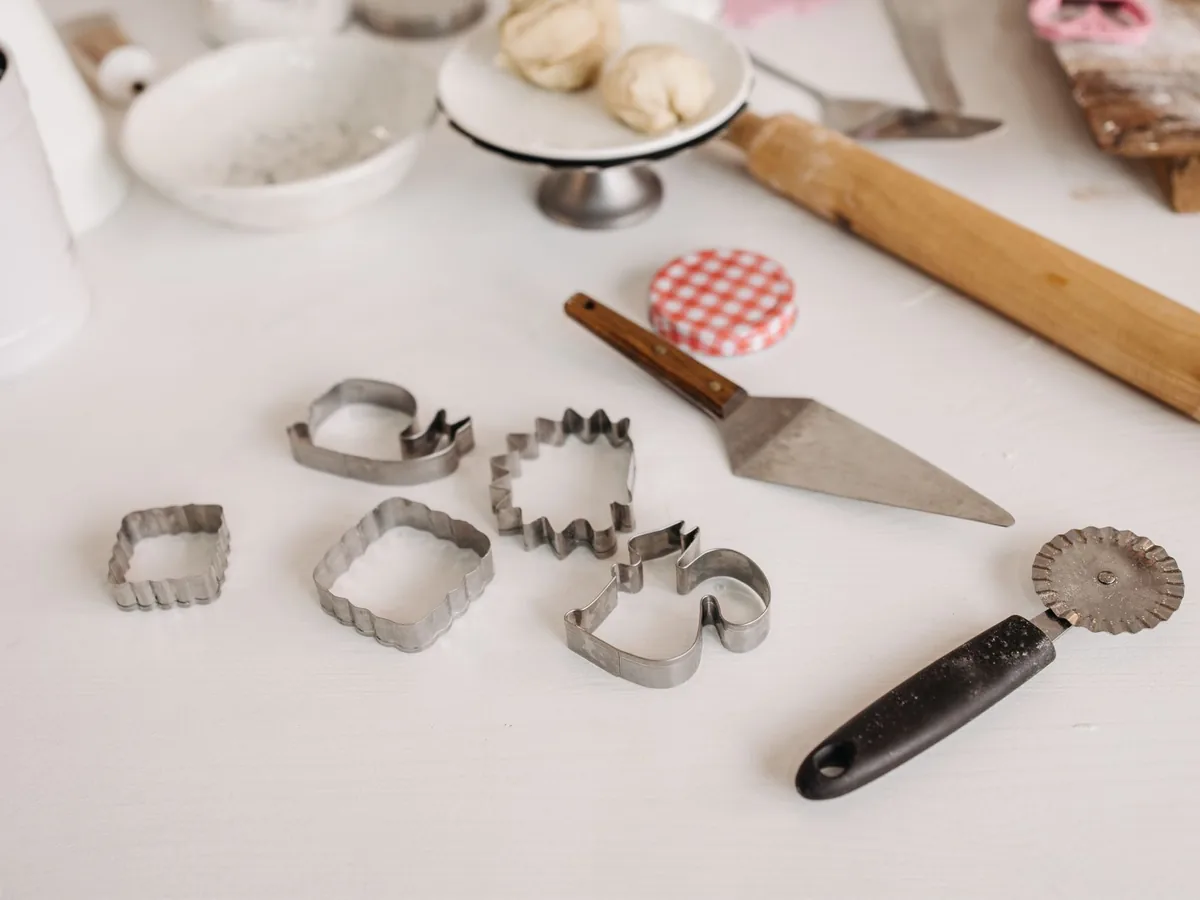
Essential Baking Tools for Beginners
Walking into a kitchenware aisle as a new baker is overwhelming: forty kinds of pans, gadgets you can’t identify, and a creeping suspicion that you need all of it. You don’t. Baking rewards precision and consistency, not accumulation. A small, well-chosen set of tools will carry you through cookies, cakes, breads, and pastries — and…
-
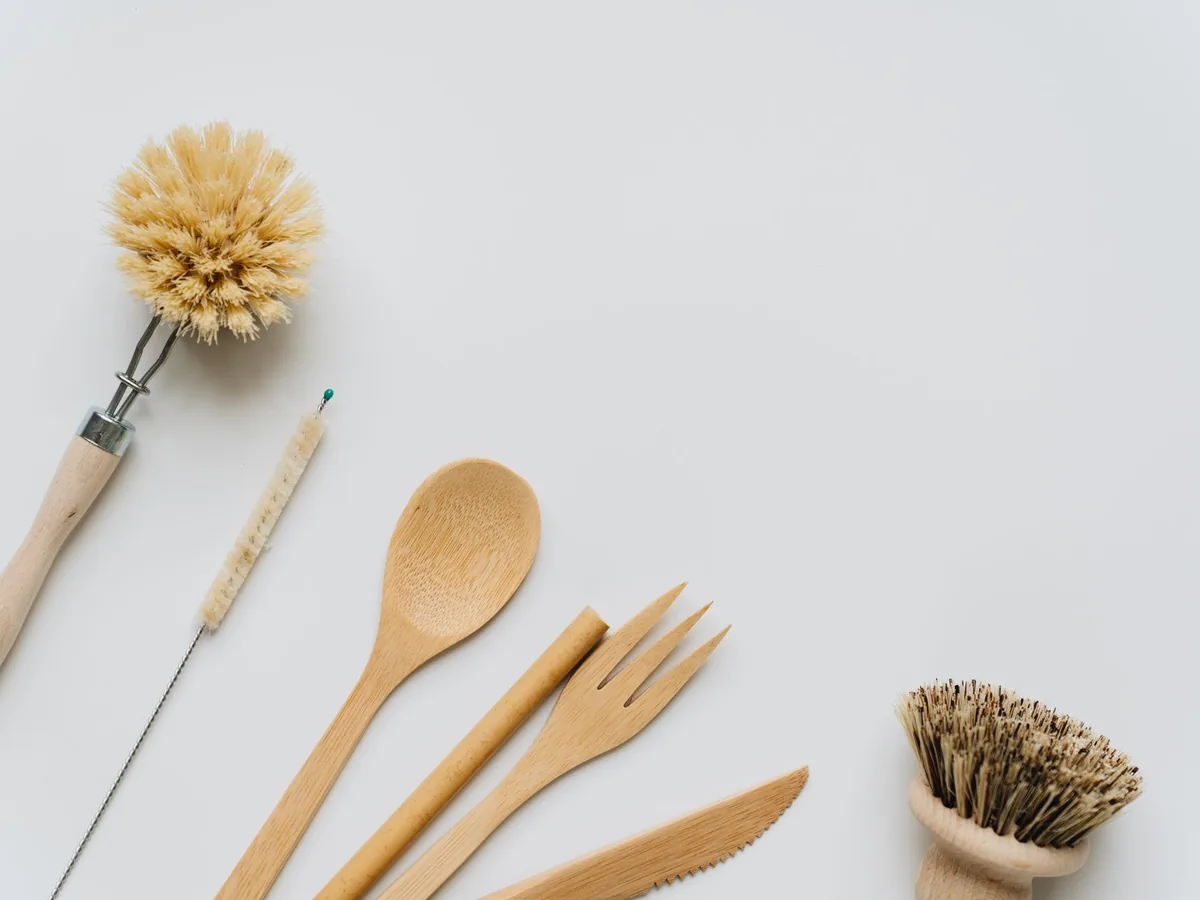
Essential Kitchen Tools for a Beginner Cook
Here’s a secret the kitchenware industry doesn’t want you to know: you need far less equipment than you think. New cooks routinely buy 15-piece knife sets, single-use gadgets, and matching cookware collections — then use about six things daily while the rest colonize cabinet space. This guide gives you the honest starter list: the tools…
-
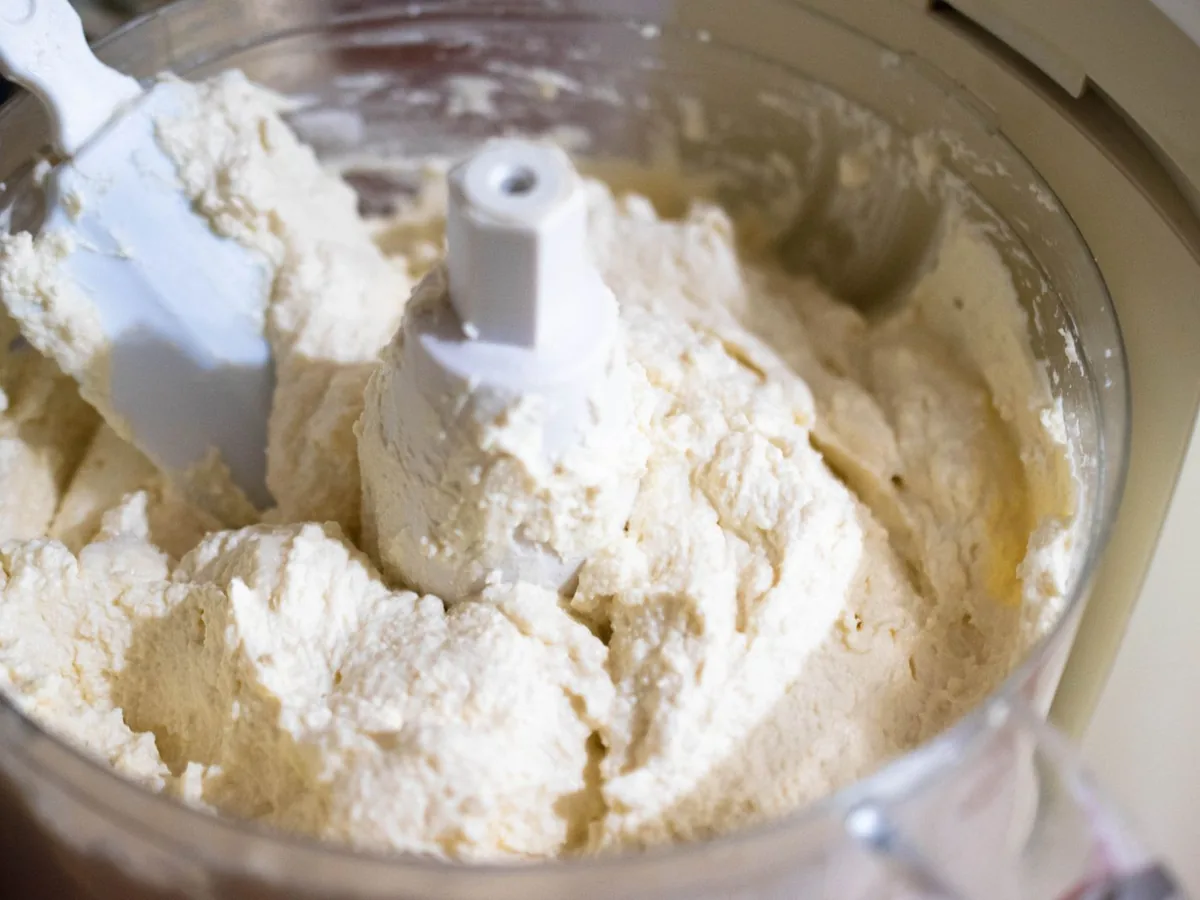
Food Processor vs Blender: Key Differences
They sit next to each other on the appliance aisle, they both have blades and motors and loud opinions, and plenty of shoppers assume they’re roughly the same machine. They’re not. A food processor and a blender are built on different mechanical principles, excel at different tasks, and — despite some overlap — each does…
-
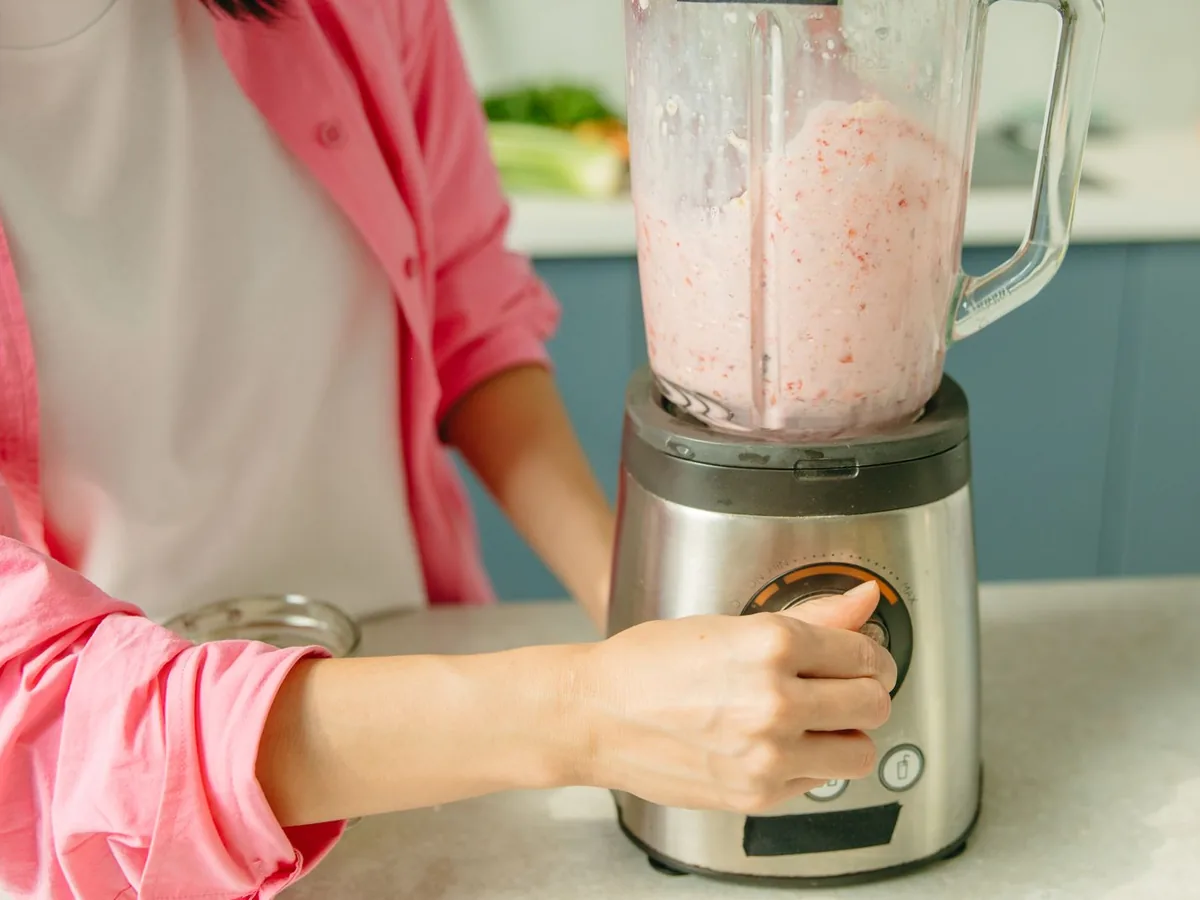
How to Choose the Best Blender for Your Needs
Few appliances earn their counter space like a good blender. Morning smoothies, silky soups, homemade nut butter, crushed ice for summer drinks, pancake batter in seconds — a blender that suits your cooking style gets used almost daily. The wrong one, though, ends up shoved in a cabinet, rattling violently every time you ask it…
-
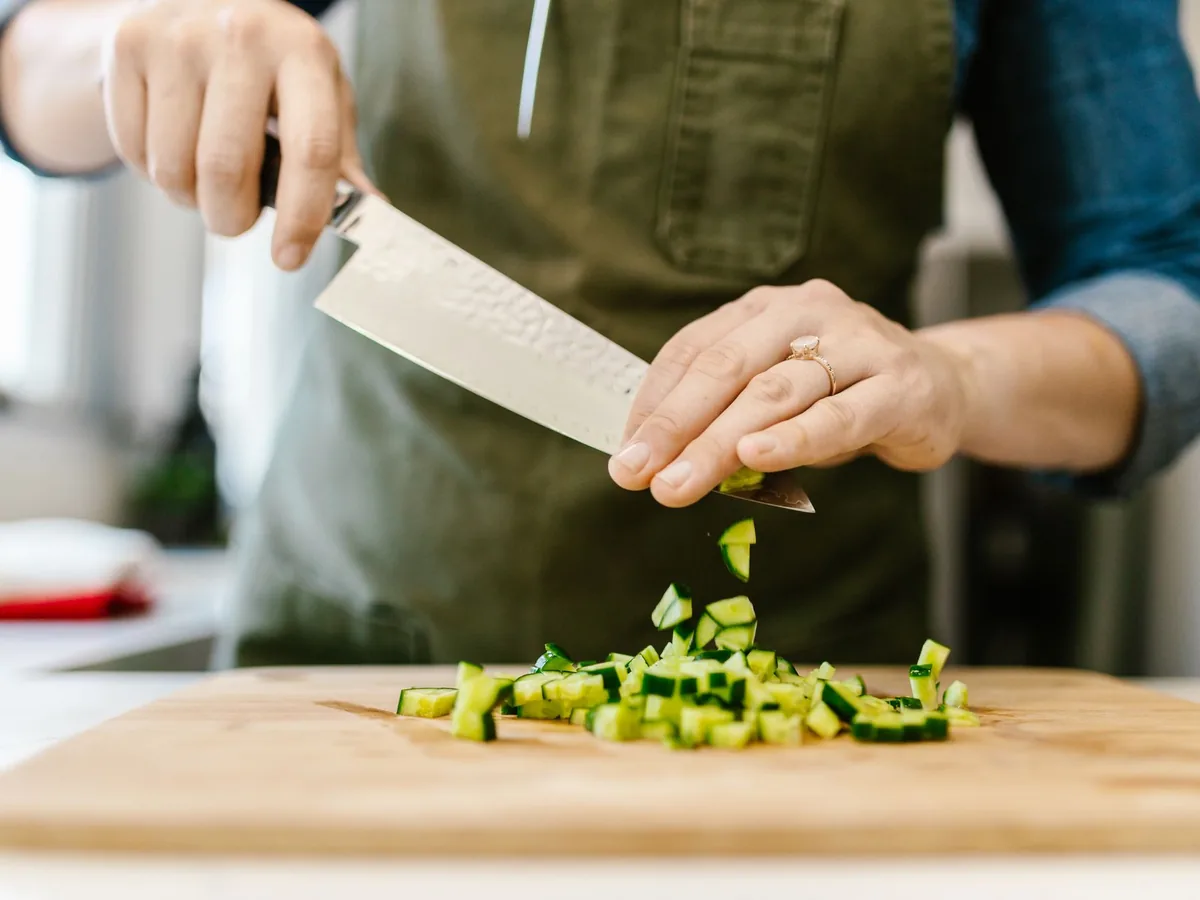
How to Choose the Right Chef’s Knife
If you buy only one good knife in your life, make it a chef’s knife. This is the workhorse of the kitchen — the blade you’ll reach for to chop onions, slice tomatoes, mince garlic, and break down a whole chicken. A dull, flimsy knife turns cooking into a chore; a sharp, well-balanced one makes…
-
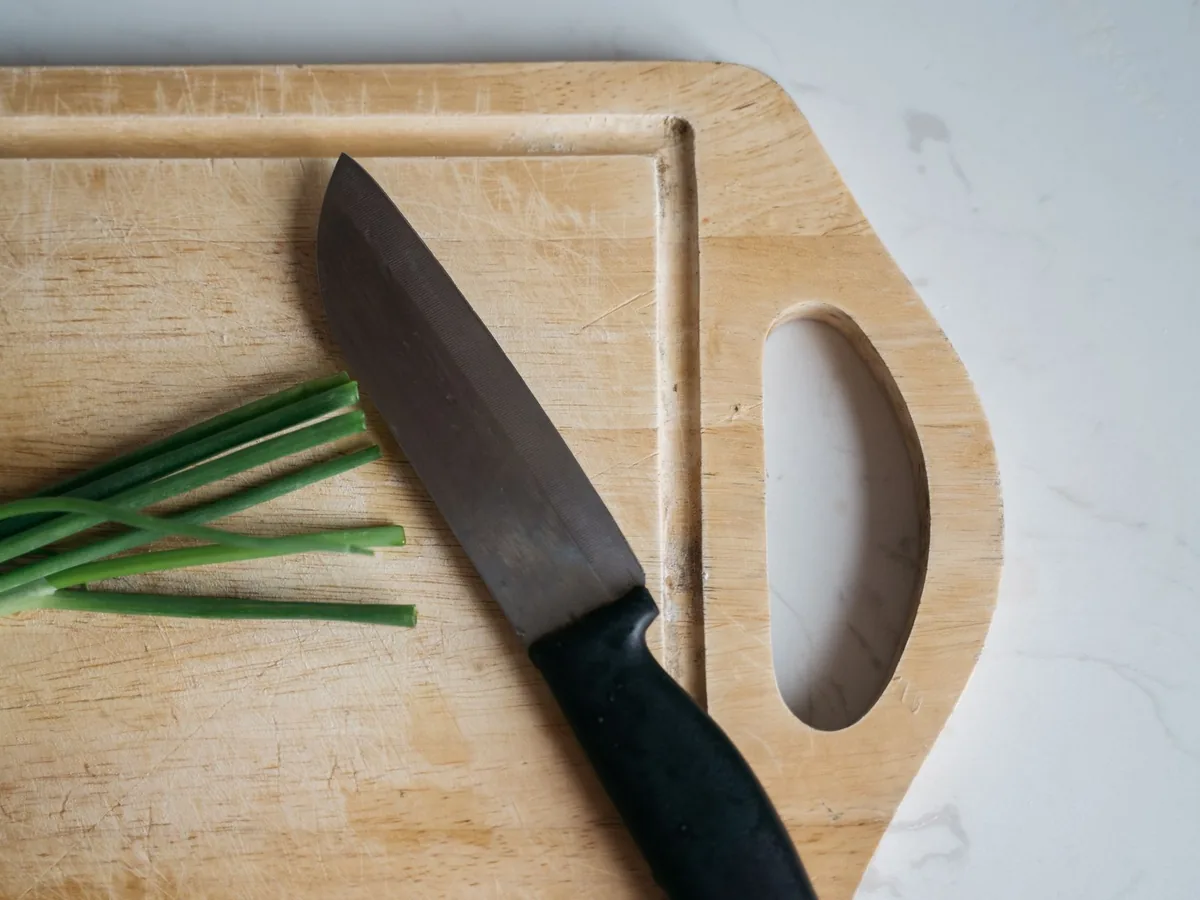
How to Choose the Right Cutting Board
Your cutting board is the unsung partner of your knife — the surface where nearly all prep happens. Choose well and your chef’s knife stays sharper longer, your vegetables stop sliding around, and chopping feels calm instead of chaotic. Choose poorly and you’ll dull good edges, fight a board that slips across the counter, and…
-
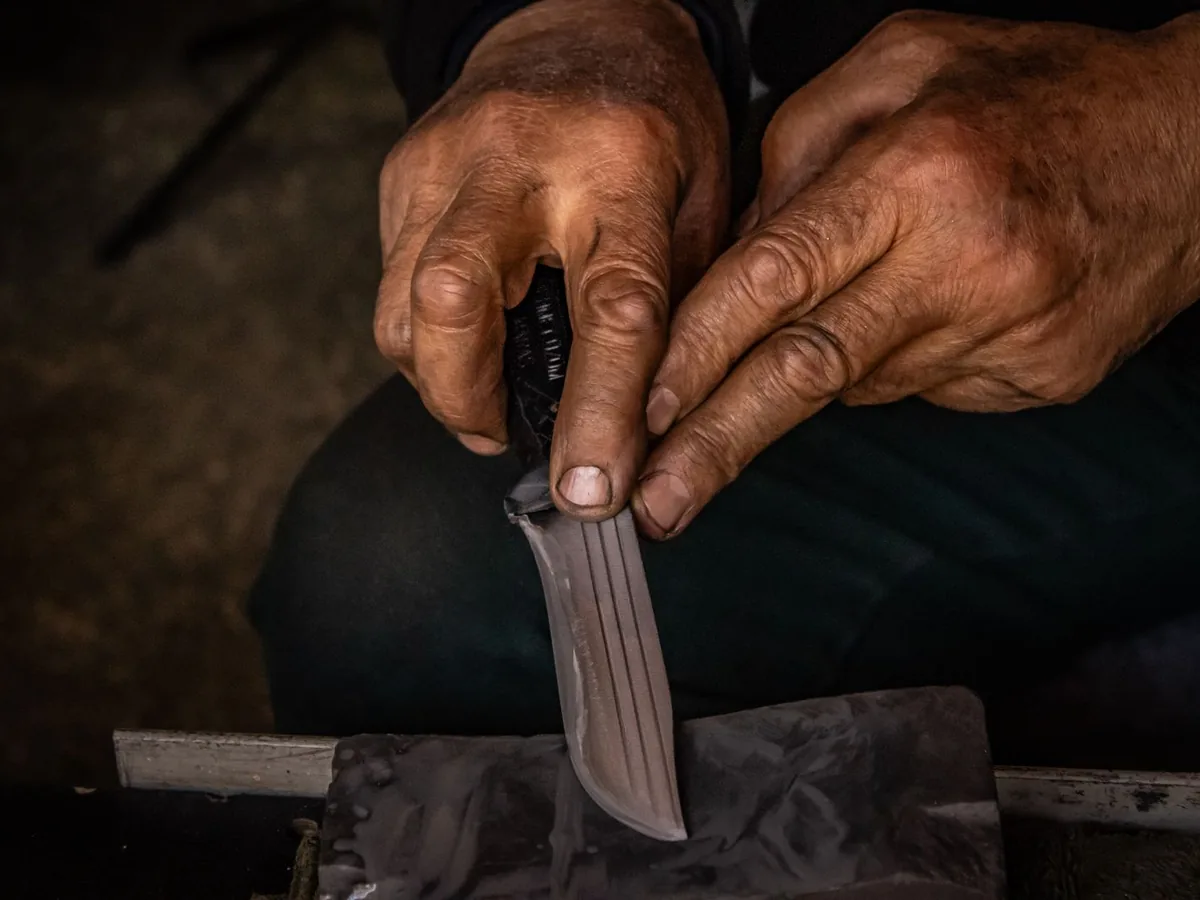
How to Clean and Maintain Kitchen Knives
A sharp knife is one of the great quiet pleasures of cooking — vegetables fall apart under the blade, herbs slice instead of bruise, and prep work feels effortless. A dull knife, on the other hand, is genuinely dangerous: it slips, it crushes, and it forces you to push harder than you should. The good…
-
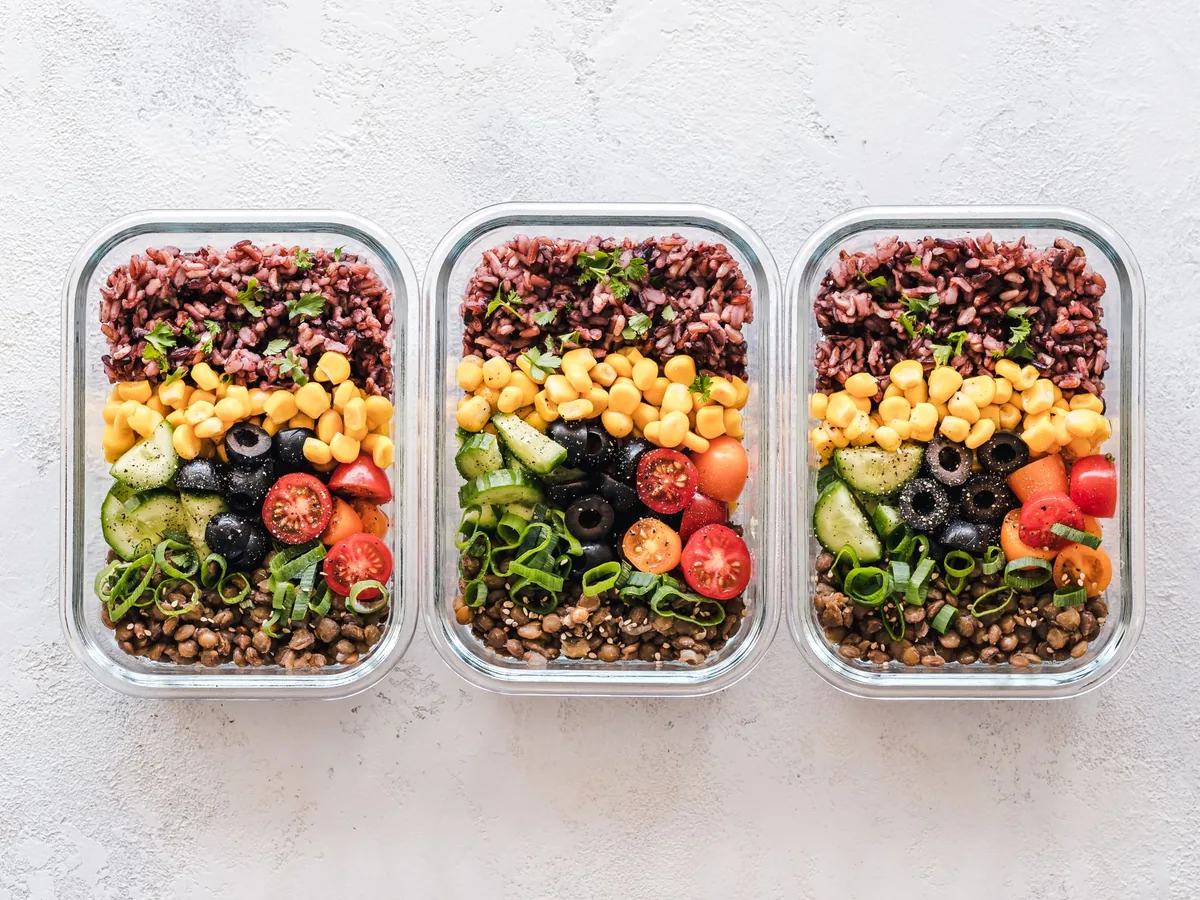
How to Freeze Homemade Meals Properly
A well-stocked freezer is the closest thing a busy household has to a personal chef. Double a pot of soup, stash half away, and three weeks later you’ve got dinner with zero effort — still delicious, still wholesome, and far better than takeout. But freezing done carelessly gives you freezer-burned blocks and mushy reheats, which…
-
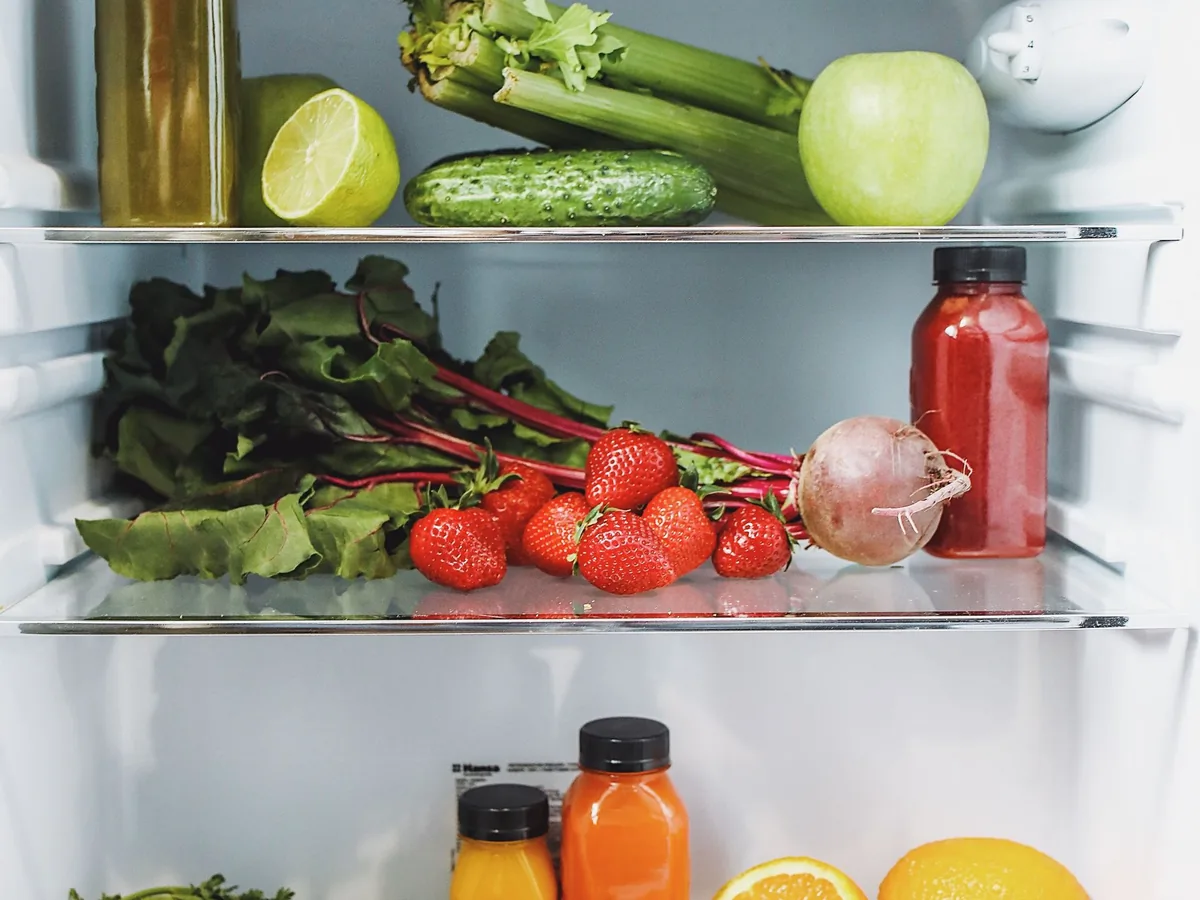
How to Keep Vegetables Fresh for Longer
Few things are more deflating than opening the crisper drawer to find the carrots you bought four days ago gone limp, or a bag of spinach reduced to dark mush. Vegetables are living tissue even after harvest — they respire, lose moisture, and react to gases around them. But with a few deliberate habits, most…
-
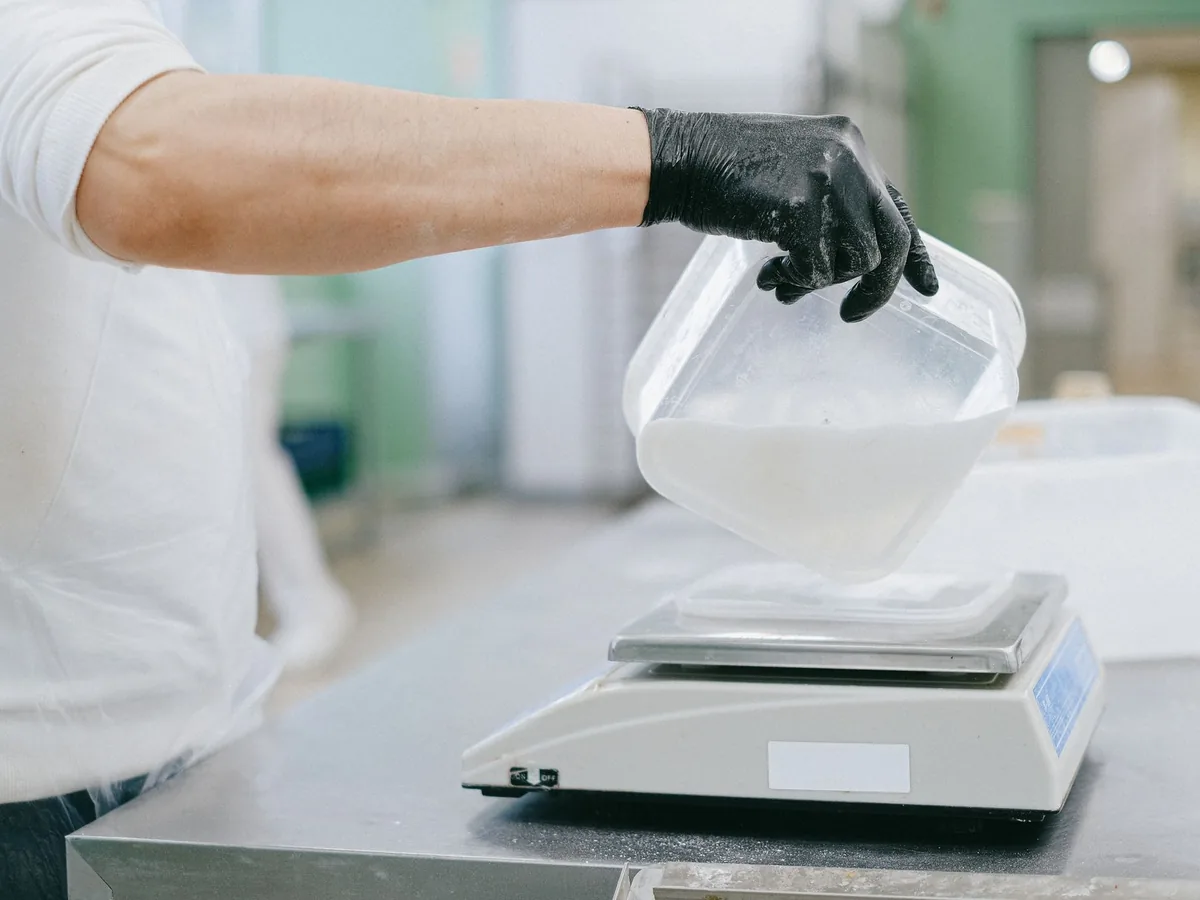
How to Scale Recipes Without Ruining Them
Every cook eventually faces the scaling problem: the recipe serves four, but eight people are coming. Or you want a small batch of cookies, not forty. Halving and doubling sounds like simple arithmetic — and for many ingredients it is — but seasonings, leaveners, liquids, cooking times, and pan sizes don’t all scale in straight…
-

How to Store Fresh Herbs to Keep Them Fresh
You buy a lush bunch of basil for tonight’s dinner, use a handful, and by Thursday the rest is a slimy black tangle in the crisper drawer. Sound familiar? Fresh herbs are one of the priciest things in the produce aisle per ounce, and they’re also among the fastest to wilt. The good news: keeping…
-
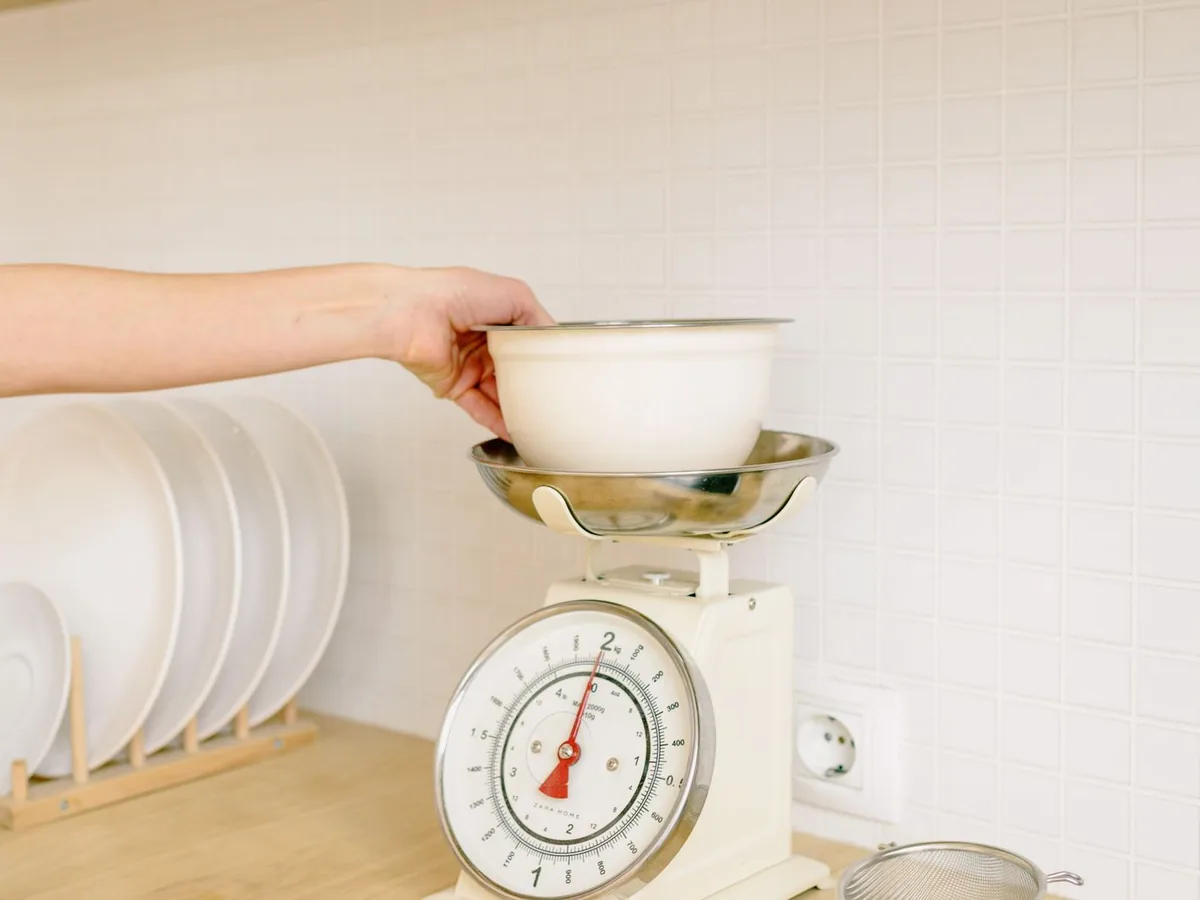
How to Use a Digital Kitchen Scale
Ask professional bakers their number one tip for consistent results and most will give you the same answer: weigh your ingredients. A cup of flour can vary dramatically depending on how you fill it — scoop it from the bag and pack it down, and you might have far more flour than someone who spooned…
-
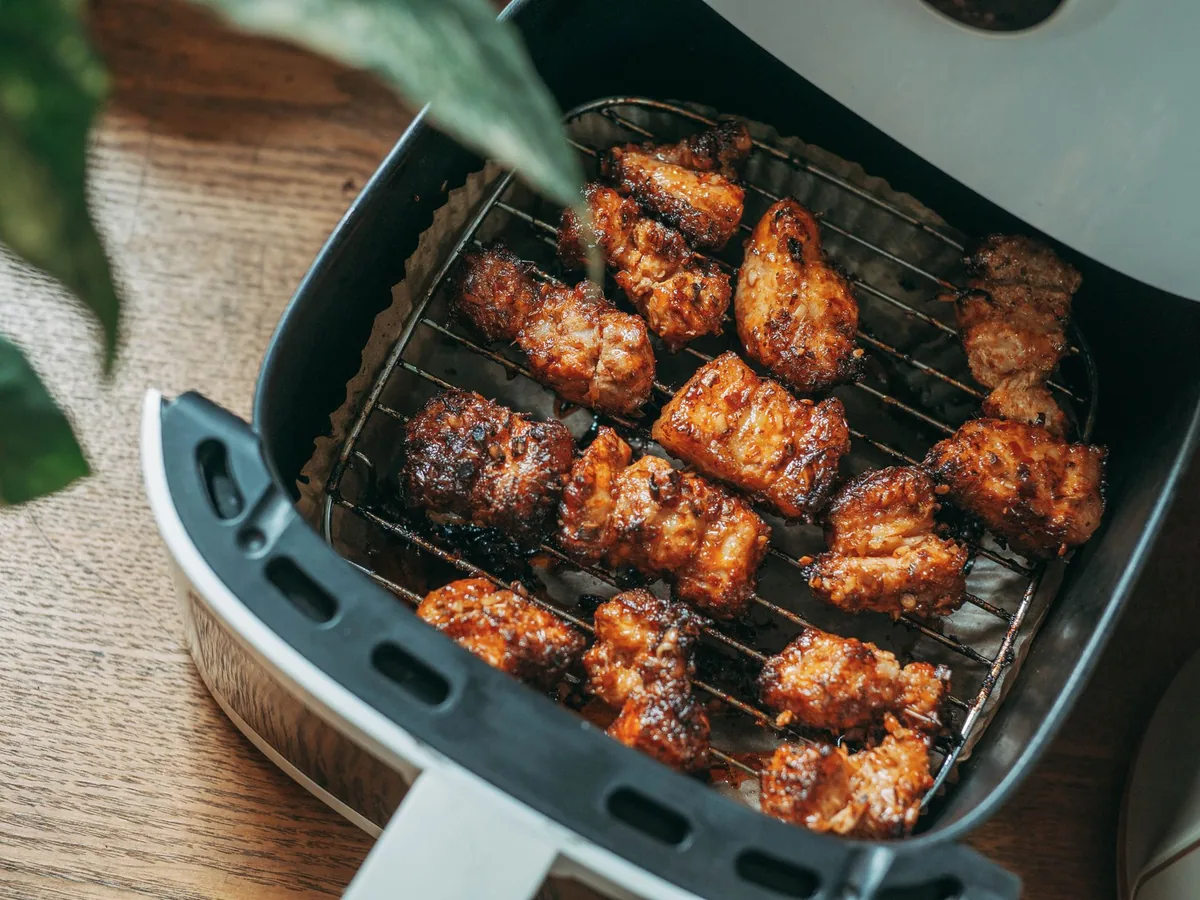
How to Use an Air Fryer for Beginners
An air fryer might be the hardest-working small appliance you can put on your counter. It crisps frozen fries, roasts vegetables, reheats pizza better than a microwave ever could, and cooks chicken wings that rival the deep-fried kind — with a fraction of the oil and barely any preheating. If yours is still in the…
-
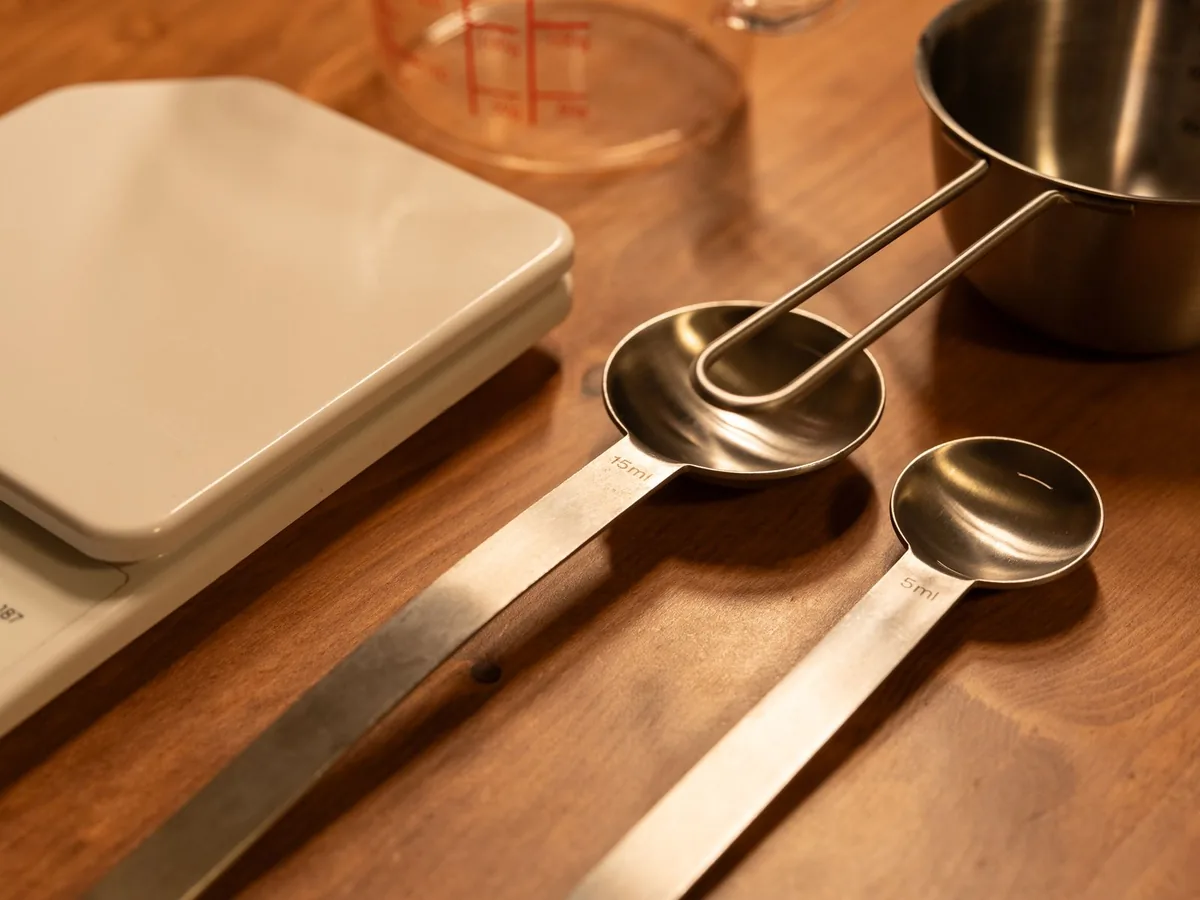
Measuring Cups vs Measuring Spoons
You’re halfway through a recipe when it hits you: the instructions call for two tablespoons of cocoa powder and one cup of milk, and your measuring cups and spoons are sitting side by side in the drawer. Does it actually matter which one you grab? Can you just use three teaspoons instead of a tablespoon,…
-
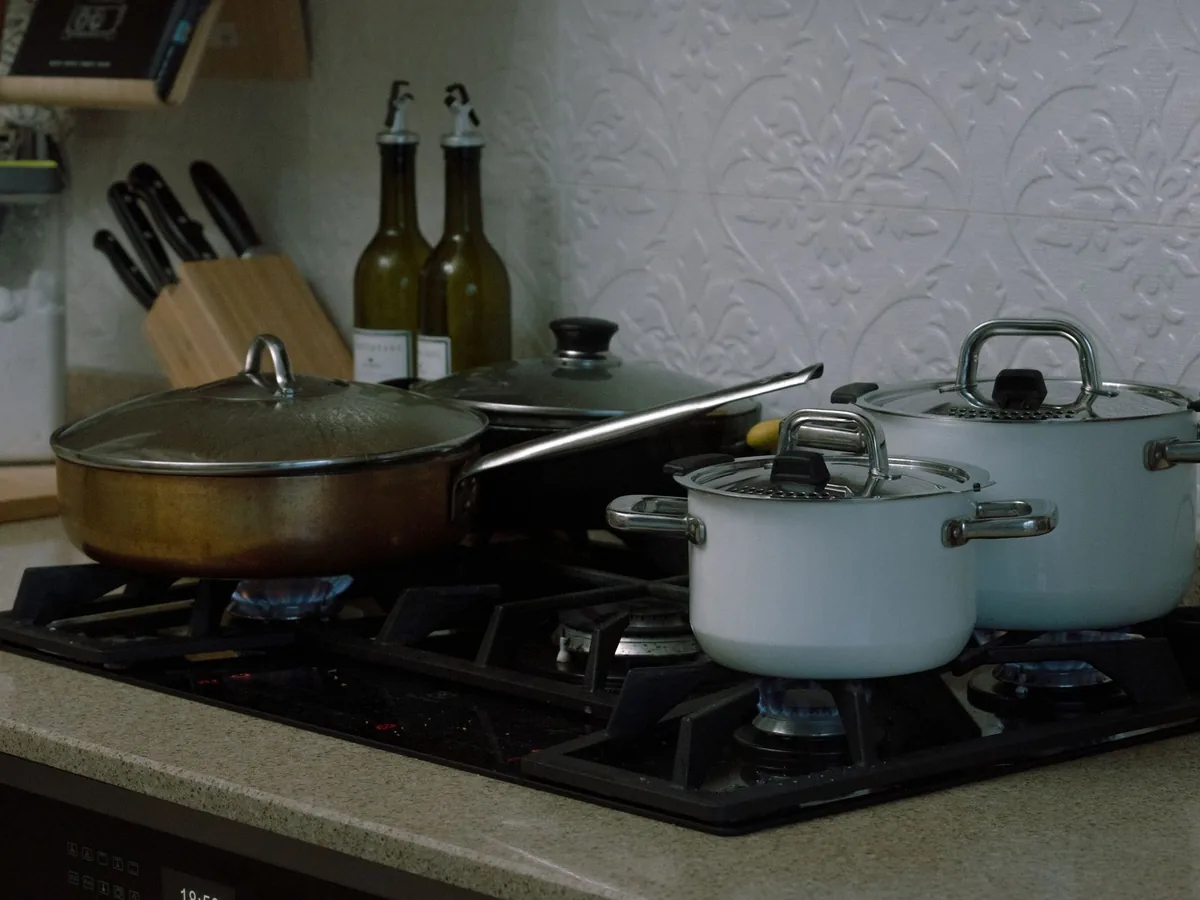
Stainless Steel vs Nonstick Cookware
Few kitchen debates run hotter than this one. Stainless steel loyalists swear by the deep brown crust on a seared steak; nonstick devotees point to the fried egg that slides out with zero scrubbing. Both camps are right — because these two materials do fundamentally different jobs. This guide compares stainless steel and nonstick cookware…